
Envisioning the Future of the Psychology of Black Women
Saturday, October 3rd
10:30 AM - 11:30 PM EST
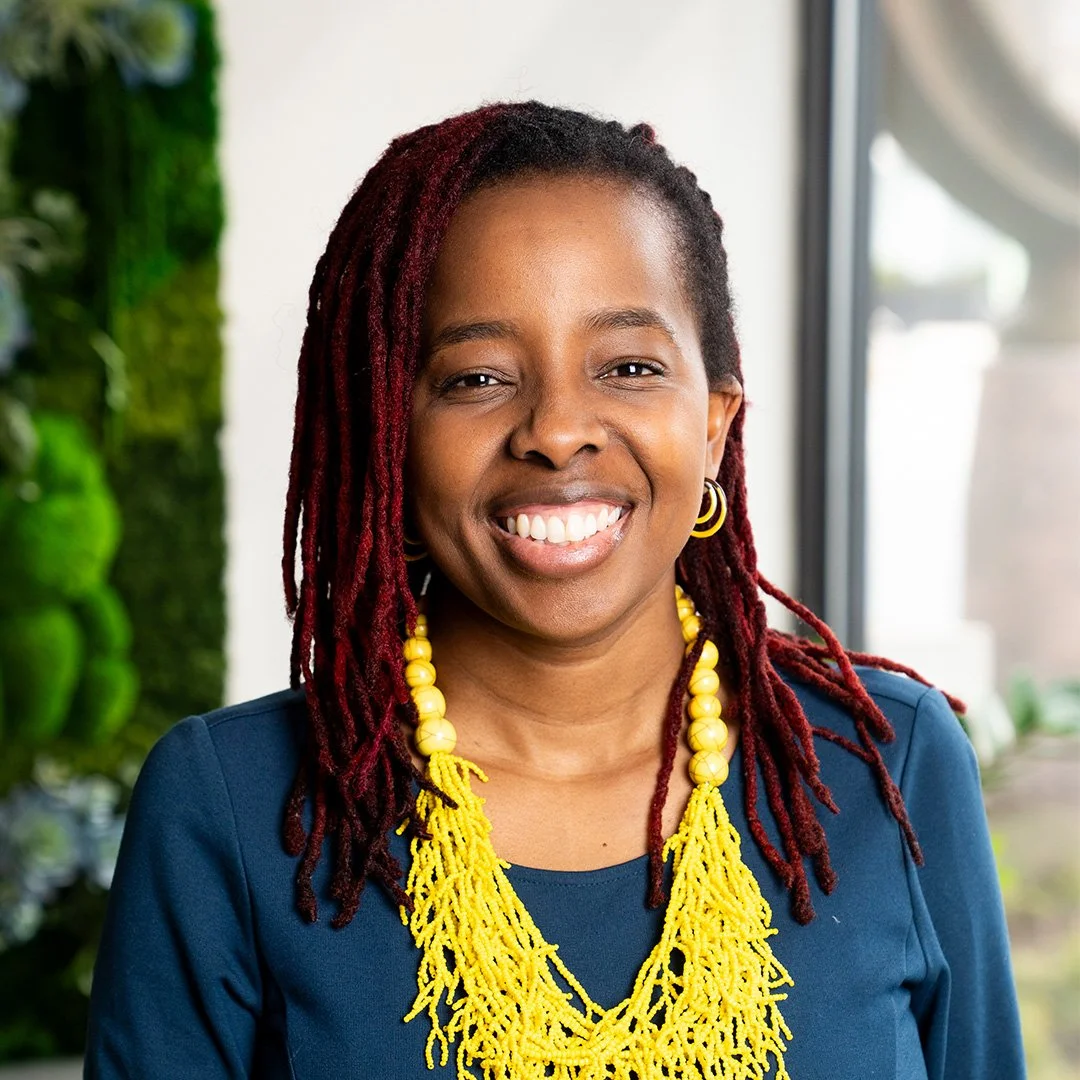
Dr. Batsirai Bvunzawabaya
Dr. Batsirai Bvunzawabaya is a Counseling Psychologist with a small private practice in the suburbs of Philadelphia. She has been working with The Steve Fund as one of their mental health consultants for over six years. She is also the Director of Integrated Care Initiatives at the University of Pennsylvania's Student Health and Counseling. Dr. Bvunzawabaya's clinical interests include exploring issues related to minority mental health, body image concerns, trauma, and suicide prevention. Dr. Bvunzawabaya is originally from Zimbabwe, and she is a proud graduate of Alabama A&M University where she was a member of the women’s tennis team. She earned her Ph.D. in Counseling Psychology from Auburn University. She is the past president of Section I (Psychology of Black Women) of the Society for the Psychology of Women (APA Division 35) and past president of the Association for University College Counseling Center Outreach (AUCCCO).
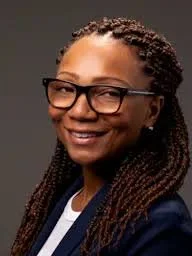
Collette Chapman-Hilliard, Ph.D.
Dr. Collette Chapman-Hilliard (Dr. H) is a professor in the Department of Counseling and Human Development Services at the University of Georgia. Her research focuses broadly in the area of Black psychology with an emphasis on the role cultural assets (e.g., Black history knowledge, racial, and ethnic identity) in reducing mental health and educational disparities among African descent populations. She served on the editorial board of the Journal of Counseling Psychology and of The Counseling Psychologist. Dr. H is the recipient of multiple awards and fellowships including the the Early Career Foremothers Mentorship Award (Section I Psychology of Black Women of the Society for the Psychology of Women, Division 35 of the American Psychological Association), the UGA Faculty Senate D. Keith Osborn Award for Teaching Excellence, and the UGA Senior Teaching Fellowship.
In addition to her research, she values therapeutic work and has completed clinical rotations in college counseling, community mental health, and inpatient psychiatric care settings.
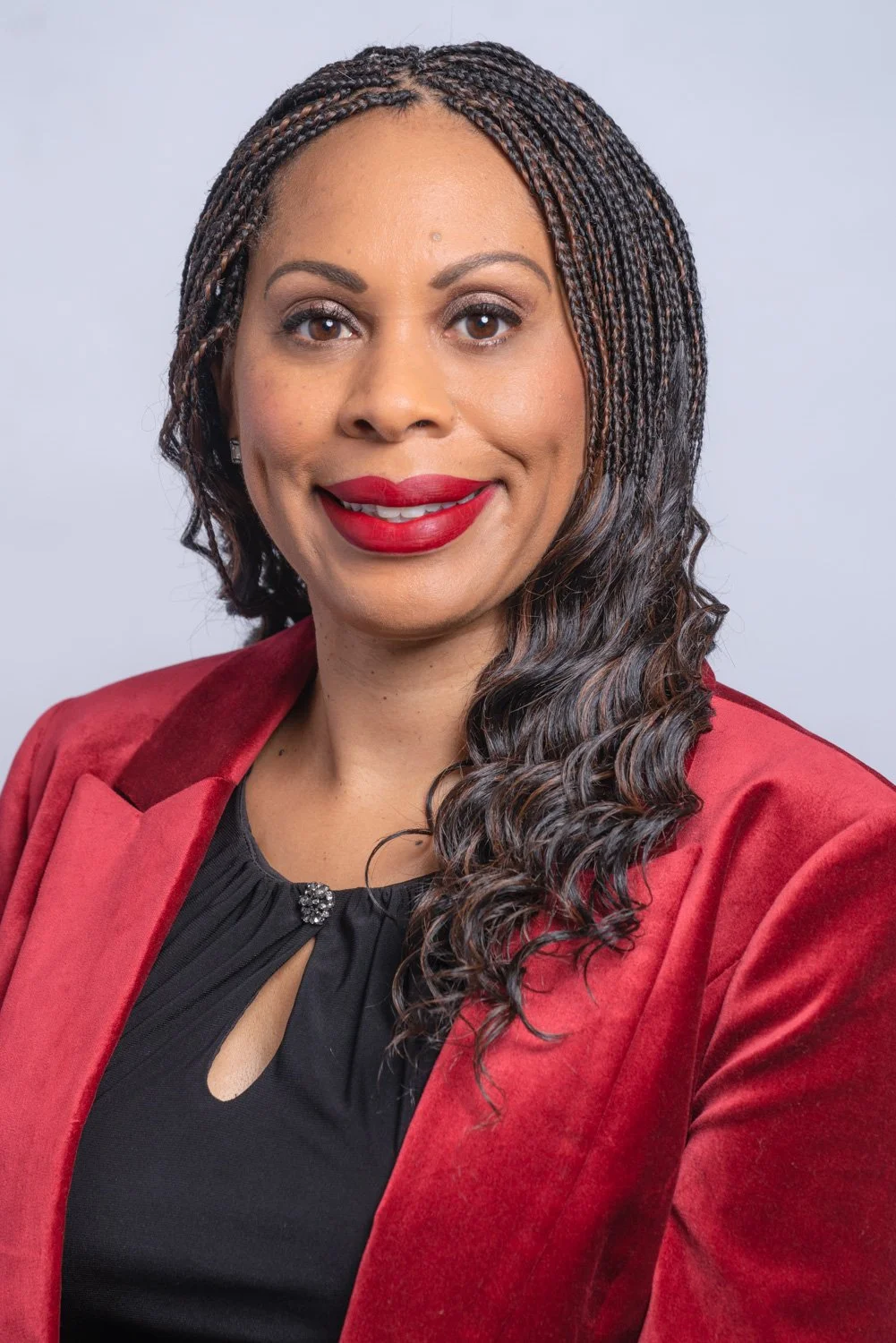
Jioni A. Lewis, Ph.D.
Dr. Jioni A. Lewis is an Associate Professor of Counseling Psychology in the Department of Counseling, Higher Education, and Special Education at the University of Maryland. Dr. Lewis’s primary line of research applies intersectionality theory to investigate the influence of racism and sexism on Black women’s health and wellbeing. She also examines cultural protective factors that buffer individuals against the harmful effects of gendered racism, such as radical healing, collective coping, and resistance strategies. Dr. Lewis is currently a Fellow of APA Divisions 17, 35, and 45. She has received several national awards for her scholarship, teaching, advocacy, and leadership. She is Past-President of the Psychology of Black Women (APA Division 35-Section I), where she served as Lead Coordinator of the Inaugural Psychology of Black Women Conference. She currently serves as an APA Council Representative for the Society of Counseling Psychology.

Dr. Cashuna Huddleston, APA, Division 35 President: Psychology of Women
Cashuna “Shun” Huddleston, Ph.D., is a licensed psychologist, educator, speaker, and mental health advocate with expertise in women’s mental health, trauma, anxiety, depression, chronic health conditions, and culturally responsive care. She is the Founder and CEO of New Way Psychological Services, PLLC, a Houston-based mental health practice, and serves as an Assistant Professor of Psychology at Texas Southern University.
Dr. Huddleston currently serves as President of the American Psychological Association’s Division 35, Society for the Psychology of Women, and is Past President of Division 35, Section 1: The Psychology of Black Women. Her leadership and advocacy focus on advancing women’s psychological health, addressing the experiences of Black women through an intersectional lens, and strengthening professional engagement and community.
Her expertise has been featured across television, radio, print, and digital media, where she translates psychological science into accessible conversations about mental health, relationships, wellness, and the experiences of women. At the heart of her work is a commitment to expanding access to quality mental health care, developing the next generation of mental health professionals, and empowering individuals and communities to thrive.